How to Choose a Franchise in Canada in 2026: A Buyer’s Guide
How to Choose a Franchise in Canada in 2026
A practical guide to comparing franchise opportunities by investment, industry, territory, training, support and owner fit before making one of your biggest business decisions.
Updated for Canadian franchise buyers in 2026
How to Choose a Franchise in Canada: Start With the Right Questions
Learning how to choose a franchise in Canada involves much more than finding a recognizable brand or comparing franchise fees. A franchise needs to fit your available capital, skills, preferred lifestyle, local market and long-term business goals.
The franchise model gives prospective business owners the opportunity to operate using an established system, but different systems can require very different levels of investment, owner involvement, staffing and day-to-day responsibility.
A strong franchise search therefore begins with the buyer, not the brand. Understanding what you can invest and what type of business you actually want to operate can make it much easier to narrow hundreds of opportunities into a manageable shortlist.
Step 1: Set Your Franchise Investment Budget
Before comparing brands, determine how much capital you can realistically commit to a franchise while maintaining enough financial flexibility for both the business and your personal needs.
The advertised franchise fee is not the complete investment. Depending on the business, additional costs may include construction, equipment, vehicles, inventory, technology, insurance, professional fees, launch marketing and working capital.
Knowing your realistic investment range can immediately eliminate opportunities that do not fit your finances and help you concentrate on businesses you could actually pursue.
For a deeper financial breakdown, read our Cost to Buy a Franchise in Canada in 2026 guide or explore our guide to affordable franchises in Canada for 2026 .
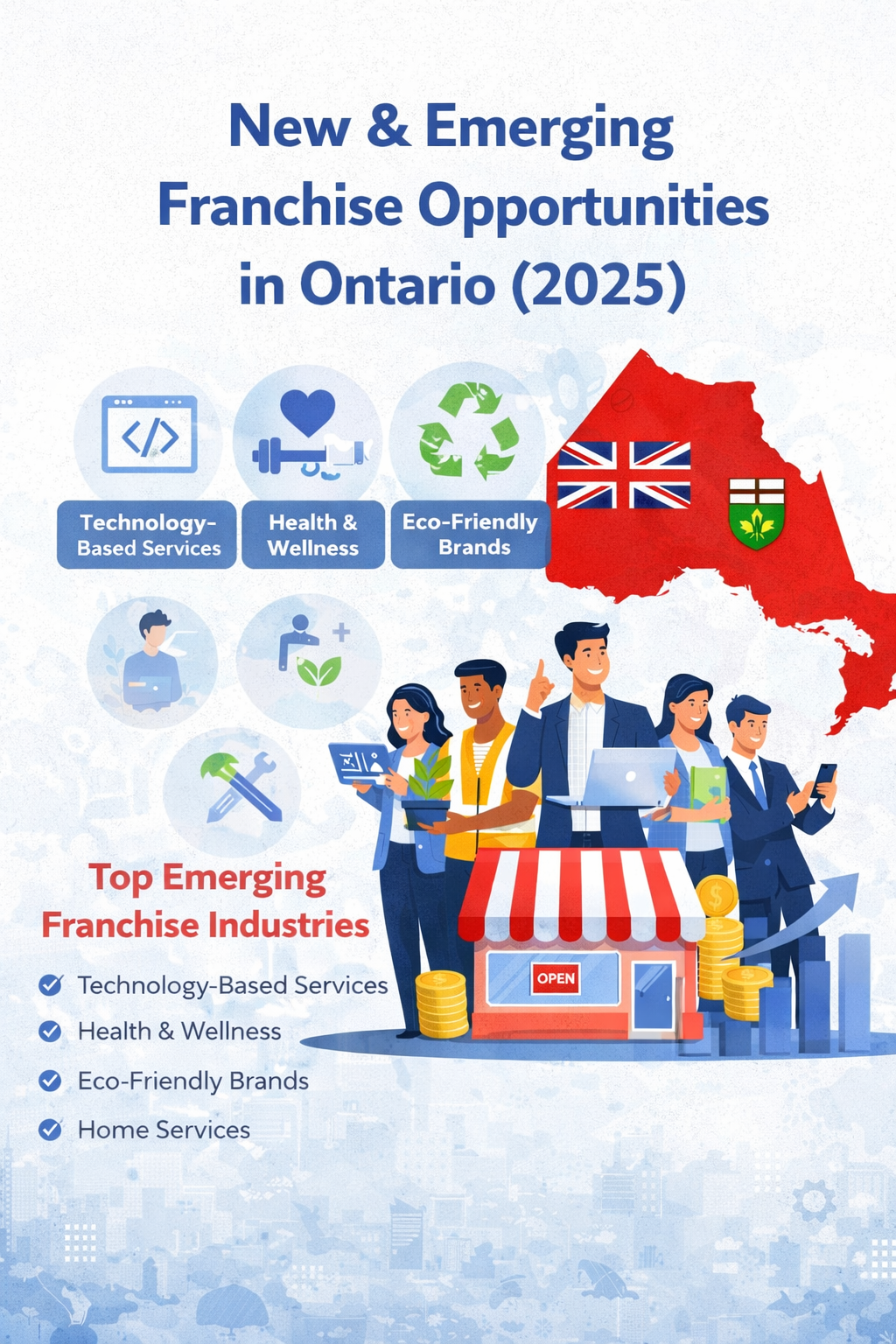
Step 2: Choose a Franchise Industry That Fits You
An attractive industry on paper may not be the right business for your experience, interests or preferred working environment.
Food & Hospitality
Restaurants and food concepts can offer strong consumer recognition, but may involve staffing, inventory, food costs and intensive day-to-day operations.
Home & Property Services
Cleaning, maintenance, repair and property-service businesses may use mobile or territory-based models rather than relying on a major retail location.
Business Services
B2B franchises can include marketing, staffing, consulting and other professional services where relationship building and sales ability may be important.
Health & Wellness
Fitness, wellness and related concepts may appeal to buyers interested in recurring customers and service-oriented businesses.
Children & Education
Tutoring, enrichment and education franchises can offer specialized business models serving families and communities.
Retail & Specialty Services
Retail and specialized service concepts vary widely in their location, staffing, inventory and investment requirements.
Step 3: Decide What Type of Franchise Owner You Want to Be
When learning how to choose a franchise in Canada, one of the most overlooked questions is how involved you actually want to be in the day-to-day business.
Owner-Operator
An owner-operator is directly involved in running the business. Depending on the concept, that may include customer service, sales, scheduling, hiring, local marketing and operational work.
This model may suit someone who wants the franchise to become their primary occupation.
Manager-Led Ownership
Some franchise systems can be operated with a manager handling much of the daily activity while the owner focuses on financial performance, strategy and oversight.
These businesses may require greater staffing and payroll resources, so buyers should verify whether the model genuinely supports manager-led ownership.
How to Choose a Franchise in Canada by Comparing the Right Factors
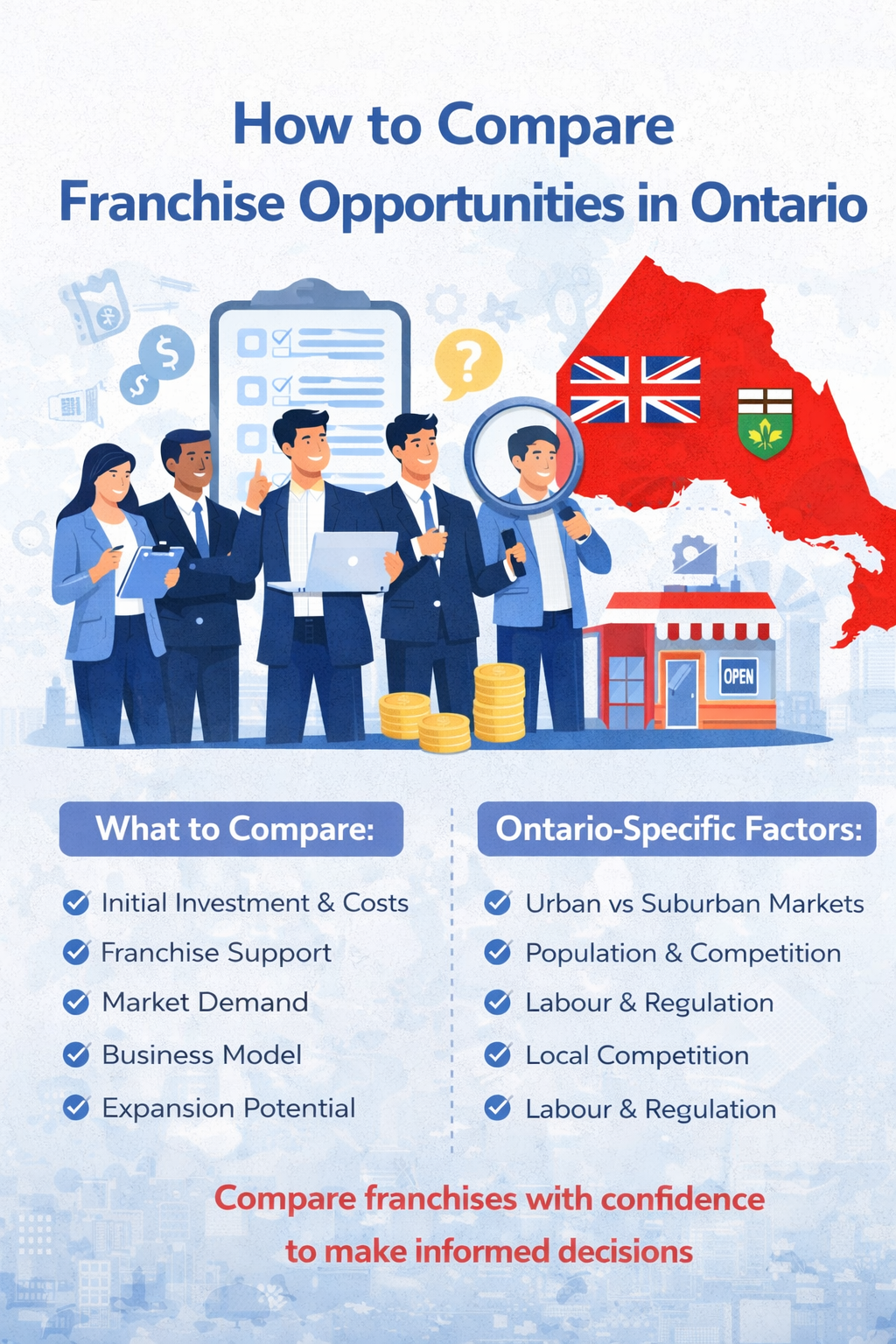
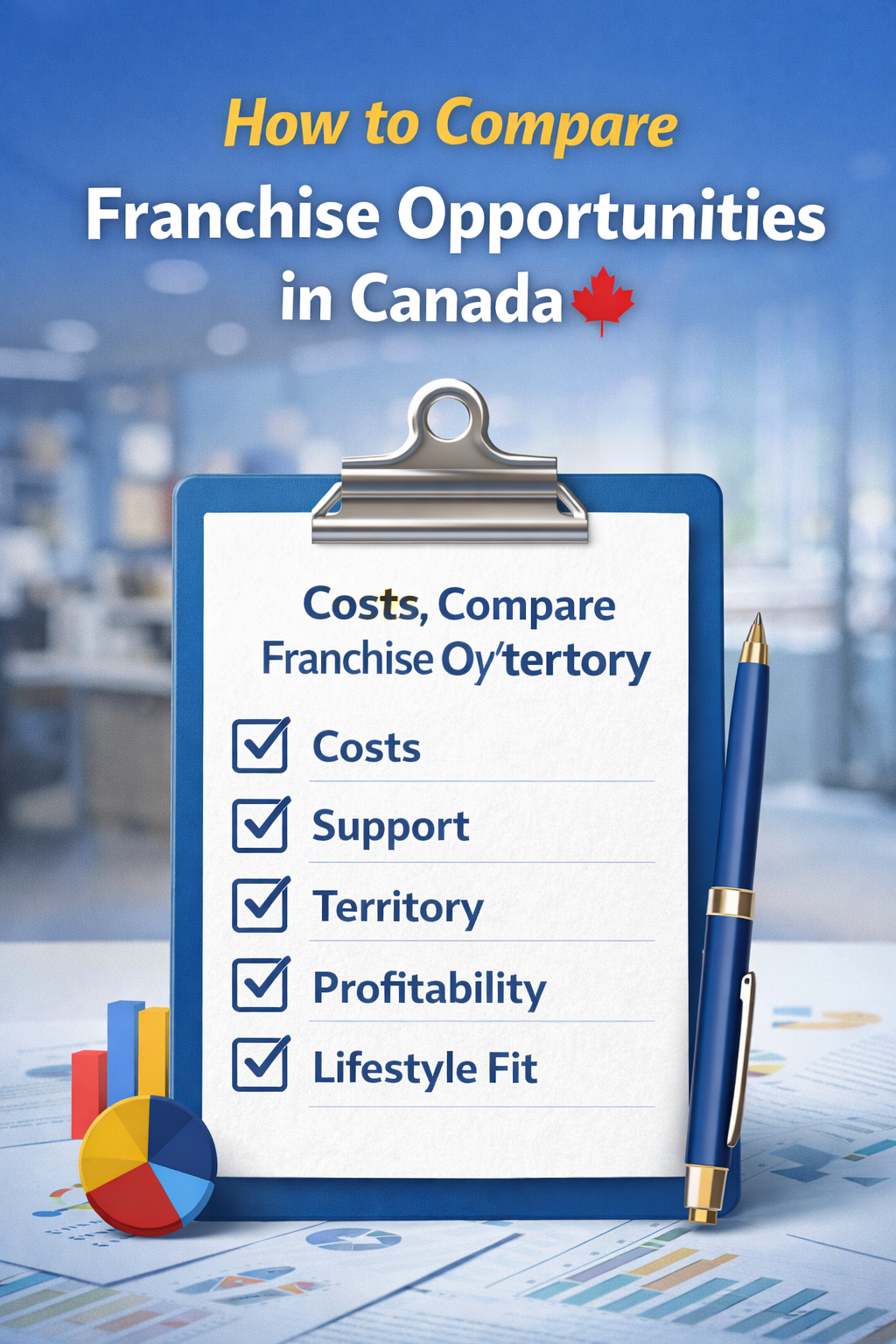
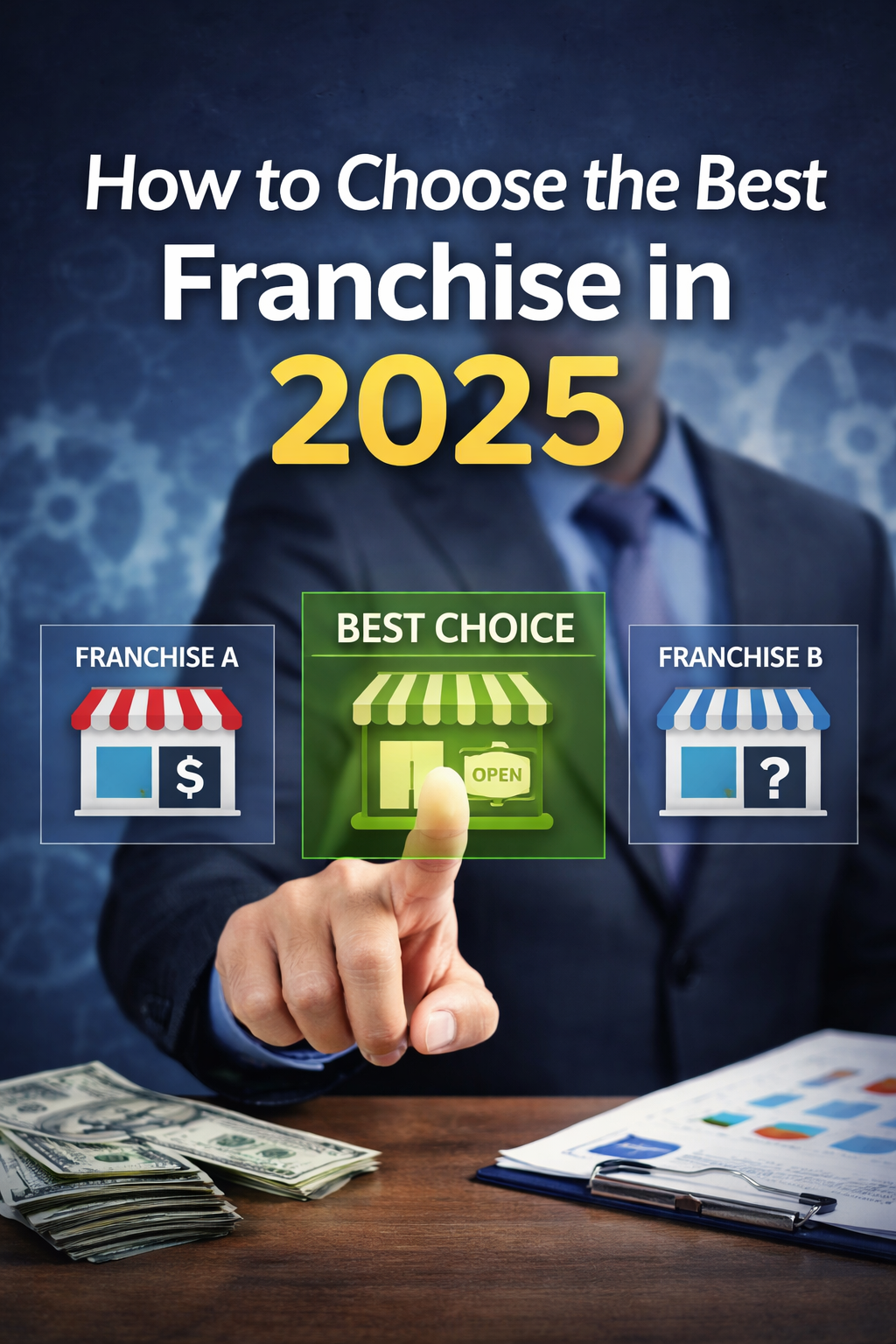
Once you have several possibilities, compare them side by side rather than evaluating each opportunity in isolation.
Investment
Compare the complete estimated startup investment, required liquid capital, working capital and ongoing fees.
Industry
Consider whether you understand the customer, competitive environment and operating realities of the industry.
Territory
Understand where you can operate, how territories are determined and whether nearby franchise development could affect your market.
Training
Compare initial training, opening assistance and resources available as you learn the franchise system.
Ongoing Support
Evaluate marketing, technology, operational support and continuing education available after the business opens.
Owner Fit
Consider whether the actual daily responsibilities match your strengths, interests and preferred lifestyle.
Step 4: Evaluate the Franchise Territory and Local Market
A strong franchise concept still needs an appropriate market. Territory should therefore be part of your evaluation before you become emotionally committed to a particular brand.
Understand Territory Rights
Ask how the territory is defined and whether it is exclusive, protected or non-exclusive.
Determine what protections, if any, apply if the franchisor adds another location, sells through alternative channels or expands nearby.
Study the Local Customer
Consider population, demographics, household characteristics, competition, traffic patterns and other factors relevant to the specific business.
The most important market indicators will vary considerably between industries.
Step 5: Compare Franchise Training and Support
The support system is one of the major reasons entrepreneurs consider franchising, so understand exactly what support you are purchasing.
Step 6: Understand Franchise Disclosure in Canada
Prospective franchisees should understand the legal and financial information available to them before signing an agreement or committing substantial funds.
Franchise legislation is provincial rather than governed by one uniform Canadian franchise law. Disclosure requirements therefore depend on the province in which the franchise is being offered.
Where franchise disclosure legislation applies, the disclosure document can contain important information about the franchisor, franchise system, fees, agreements and other matters relevant to the investment.
Step 7: Speak With Existing Franchise Owners
Existing franchisees can provide a perspective that is different from the franchisor's sales presentation.
Ask franchisees about their experience with training, support, marketing, staffing, suppliers and the day-to-day realities of operating the business.
Ask About the Beginning
Find out whether the startup process matched expectations, what challenges occurred and how useful the franchisor's opening support was.
Newer franchisees may provide particularly useful insight into the current onboarding process.
Ask About the Reality Today
More established owners can discuss ongoing support, system changes, staffing, local marketing and their overall relationship with the franchisor.
Speak with multiple franchisees rather than relying on one person's experience.
Know When to Walk Away From a Franchise Opportunity
Choosing the right franchise also means being willing to reject an opportunity when important questions remain unanswered.
How to Choose a Franchise in Canada With Confidence
A disciplined franchise search moves from broad discovery to a shortlist and then into detailed due diligence.
Compare opportunities using the same criteria, verify information, review the applicable disclosure documents, speak with existing franchisees and seek qualified professional advice before making a final commitment.
You can also review our Best Franchise Opportunities in Canada for 2026 guide and our Franchise Trends in Canada for 2026 article as you build your shortlist.
Independent Franchise Research Resources
These external resources can provide additional information as you research franchise ownership in Canada.
How to Choose a Franchise in Canada: 2026 FAQ
Common questions prospective Canadian franchise buyers may encounter while comparing opportunities.
How do I choose a franchise in Canada?
Start by determining your realistic investment budget, preferred industry and desired level of owner involvement. Then compare suitable franchises by total investment, territory, training, support and operating requirements before completing detailed due diligence.
How much money should I have before buying a franchise?
The amount depends on the franchise. Consider the complete startup investment rather than only the franchise fee and ensure your financial plan includes appropriate working capital and personal reserves.
Should I choose a franchise based on the brand name?
Brand recognition can be one consideration, but it should not replace analysis of the investment, business model, territory, support system and whether the owner's actual responsibilities suit you.
Should I speak with existing franchisees before buying?
Speaking with multiple franchisees can help you understand their experience with startup, training, franchisor support, marketing and the day-to-day operation of the business.
What should I compare between franchise opportunities?
Useful comparison points include total investment, working capital, ongoing fees, industry, territory, training, franchisor support, staffing requirements and the role expected of the franchise owner.
Do franchises in Canada provide disclosure documents?
Franchise disclosure requirements in Canada depend on provincial legislation. Prospective franchisees should determine which requirements apply to their transaction and consider obtaining advice from a lawyer experienced in franchise matters.
Where can I compare franchise opportunities in Canada?
FranchisePilot.ca allows prospective buyers to explore Canadian franchise opportunities, compare businesses and request information from franchises that match their interests and investment goals.
Ready to Start Comparing Franchise Opportunities?
Explore Canadian franchises by industry, investment level and location, then request information from opportunities that fit your business goals.
Explore Franchise OpportunitiesHow to Choose a Franchise in Canada in 2026: A Buyer’s Guide Read Post »